

Cheer leading Is Not Coaching
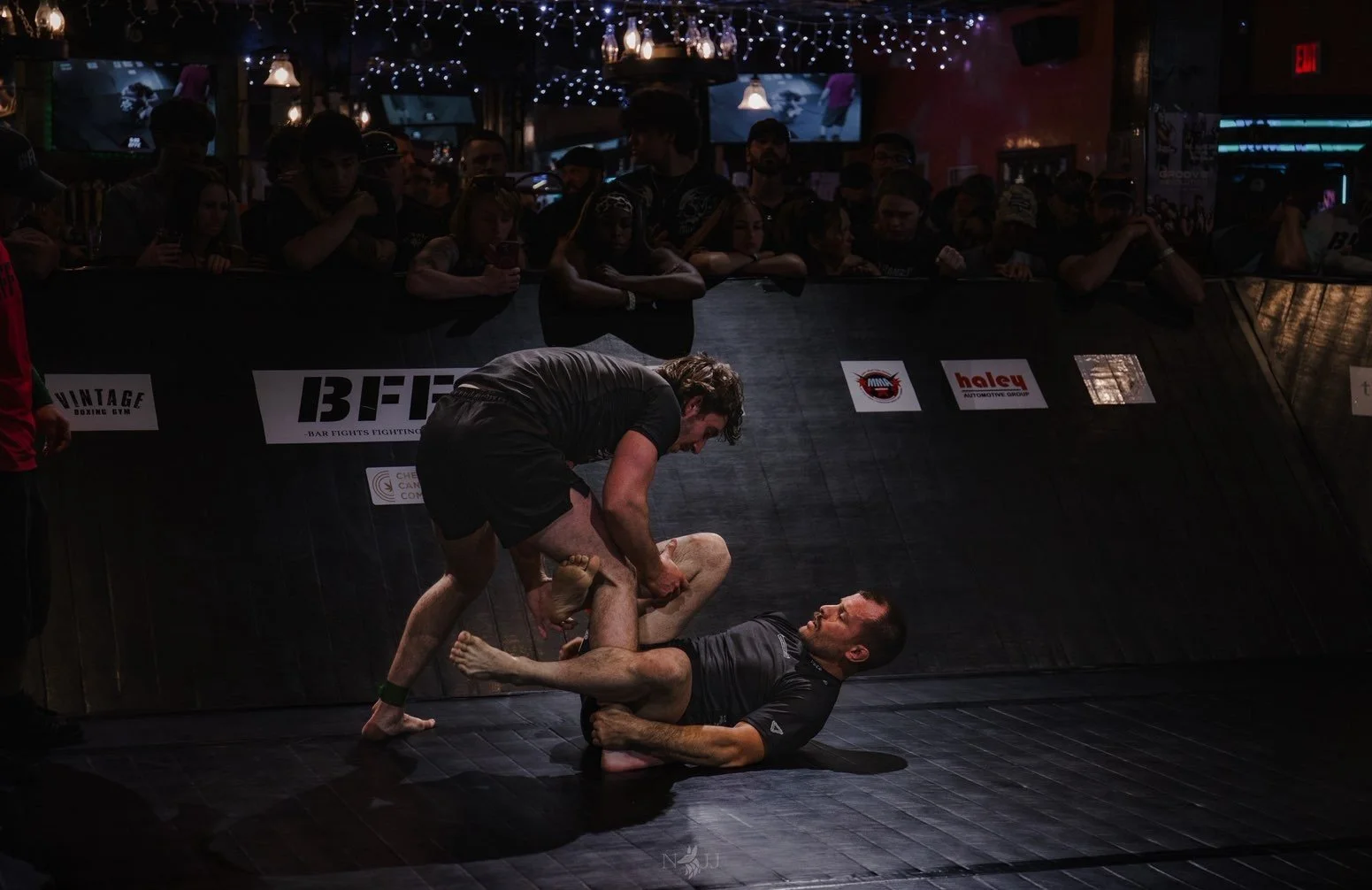
If you’ve spent enough time around Jiu Jitsu competitions, or even intense rounds during regular class, you’ve probably heard it:
“Let’s go!” “Keep going!” “You got this!” “He’s got nothing!”
A coach stands on the sidelines shouting encouragement while their athlete is in the middle of a tough match. Encouragement isn’t a bad thing. Energy from teammates and coaches can absolutely help motivate someone during a difficult moment. But there’s an important distinction:
Cheer leading is not the same thing as coaching. And when encouragement is the only thing coming from the corner, it can sometimes reveal a deeper issue.
Coaching Requires Technical Direction and Actual Competency. Jiu Jitsu is an extremely technical sport. Every position has layers of decisions that determine whether you escape, advance, sweep, or get submitted. When an athlete is competing, they often can’t see every opportunity themselves. Adrenaline is high, fatigue sets in, and tunnel vision can occur. This is where a knowledgeable coach becomes valuable.
Real coaching can involve:
· Recognizing positional opportunities, they may not see
· Identifying mistakes as they happen
· Giving clear technical instructions
· Helping the athlete adjust their strategy in real time
Instead of generic encouragement, a coach might say things like:
· “Control the far hip.”
· “Your under hook is open.”
· “Step over for the pass.”
· “Connect the Hands’
These are actionable cues that can help the athlete make better decisions. Simply yelling “You’ve gotta believe!” doesn’t give the athlete anything useful and does nothing but show the lack of awareness and knowledge in the coach.
Sometimes coaches default to pure encouragement because it fills the silence.
But in many cases, it’s also a sign that the coach may not fully understand what’s happening in the position, or what adjustment is actually needed. If you don’t recognize the technical problem, the easiest fallback is enthusiasm. So the coach yells louder. Enthusiasm might raise the energy in the room, but it does nothing for the athlete.
Another important factor is that not every athlete wants the same type of coaching.
Some competitors prefer constant technical feedback. They want very specific instructions during their matches. Clear cues can help them stay focused and guide their decision-making under pressure. Others prefer minimal input and want to rely on their instincts. Just knowing their coach is there is help enough. In other cases, athletes may only want the coach to give time updates during a match:
“Two minutes left.” “Thirty seconds.” “Final ten.”
For certain competitors, that’s enough. They’ve prepared their strategy ahead of time and just want awareness of the match time to guide their decisions off of.
Good coaches understand this difference.
They communicate with their athletes before competition to understand what kind of input is actually helpful. Coaching should adapt to the athlete, not the other way around.
Coaching happens before the match. The reality is that the most important coaching doesn’t happen in the corner. It happens during the hundreds of hours of training before the match ever begins.
Good coaching shows up in:
· Structured training sessions
· Technical corrections during drilling
· Strategy development
· Building problem-solving ability
By the time an athlete competes, the groundwork should already be in place. Coaching from the corner then becomes a way to reinforce and guide, not try to fix everything in real time. Without the preparation, the corner often turns into nothing but generic encouragement and only reflects poorly on the coach.
Energy is helpful, but it’s not enough. A supportive team environment matters. Energy from teammates and coaches can help someone push through fatigue or stay mentally engaged during a difficult match. But encouragement should be a supplement to coaching, not a substitute for it. The best coaches combine both. They support their athletes emotionally while also providing technical direction when it matters. If you listen closely to experienced coaches in grappling sports, their instructions tend to be:
· Short
· Calm
· Precise
They deliver useful pieces of information. Something simple like: “Turn your hips.” “Stand up.”
Those small cues can completely change the outcome of a position. That’s real coaching and takes a level of awareness of the match and sport than most coaches seem to have.
The Bottom Line…
Passion and enthusiasm are great qualities in a coach. But passion alone doesn’t make someone an effective coach. Grappling athletes don’t just need motivation, they need knowledge, preparation, and guidance. Sometimes that guidance is technical instruction. Sometimes it’s strategic reminders. Sometimes it’s simply keeping track of the clock, but if the corner is nothing but nonstop cheering, something may be missing.
Because yelling encouragement might make things louder.
But good coaching is what actually makes athletes better.